
‹
›
‹

›
I. Basic Profile
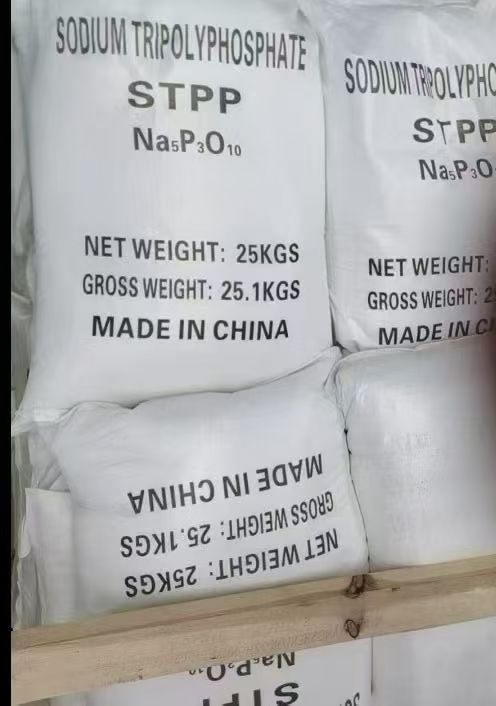
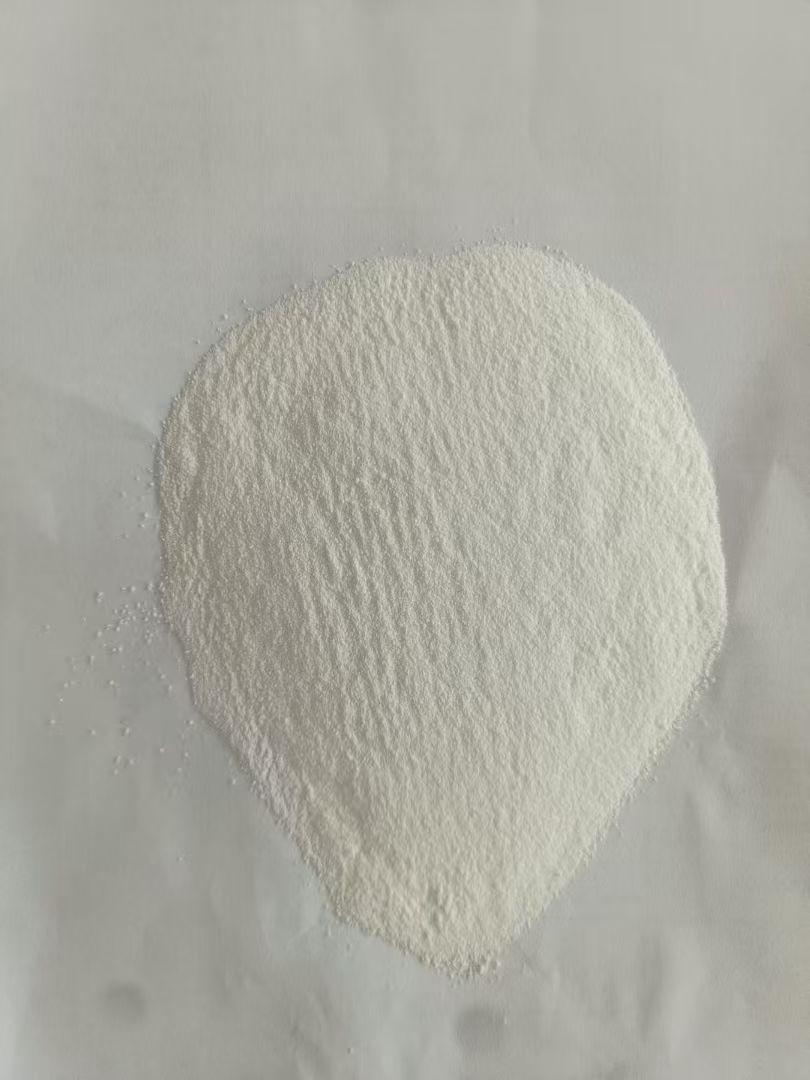
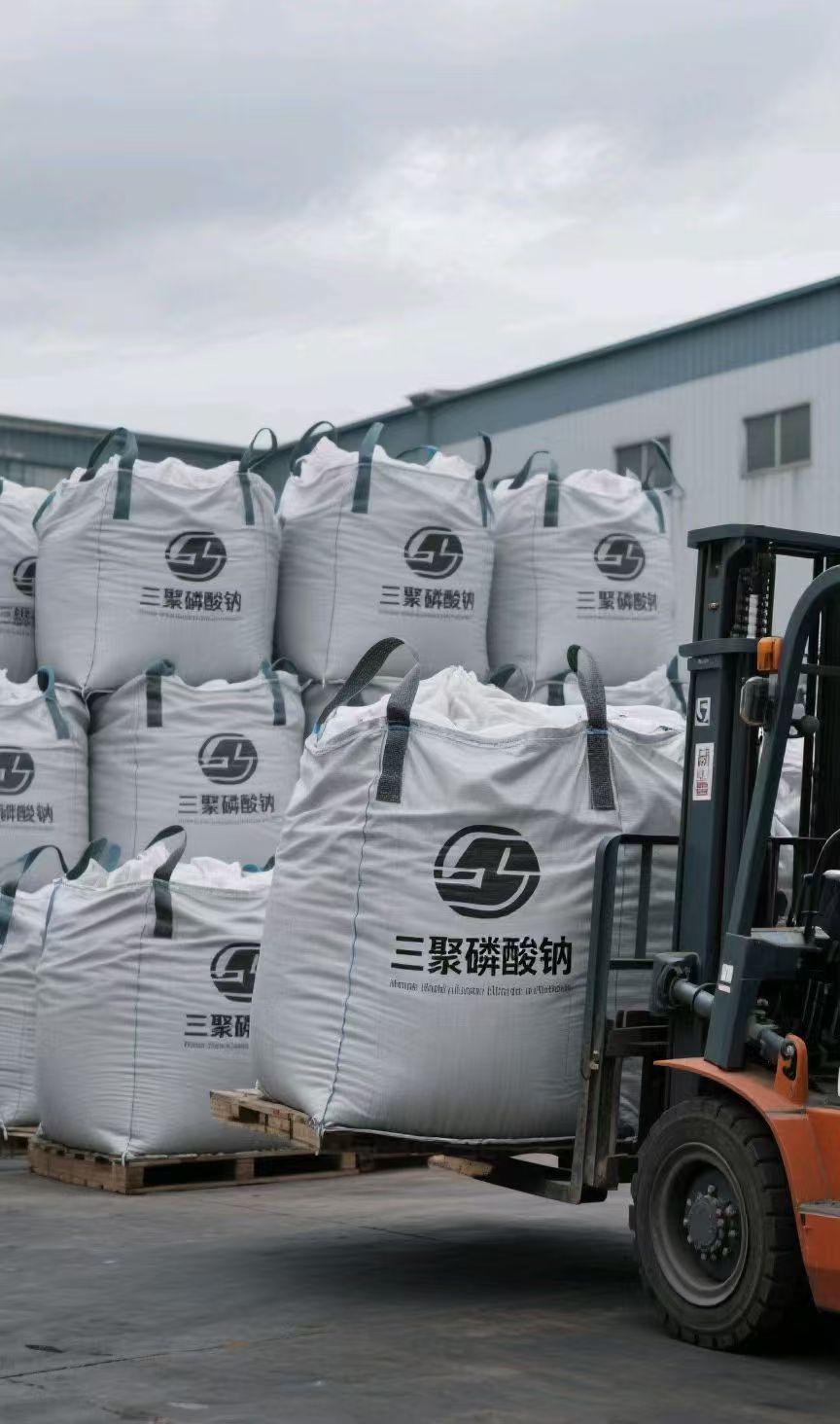
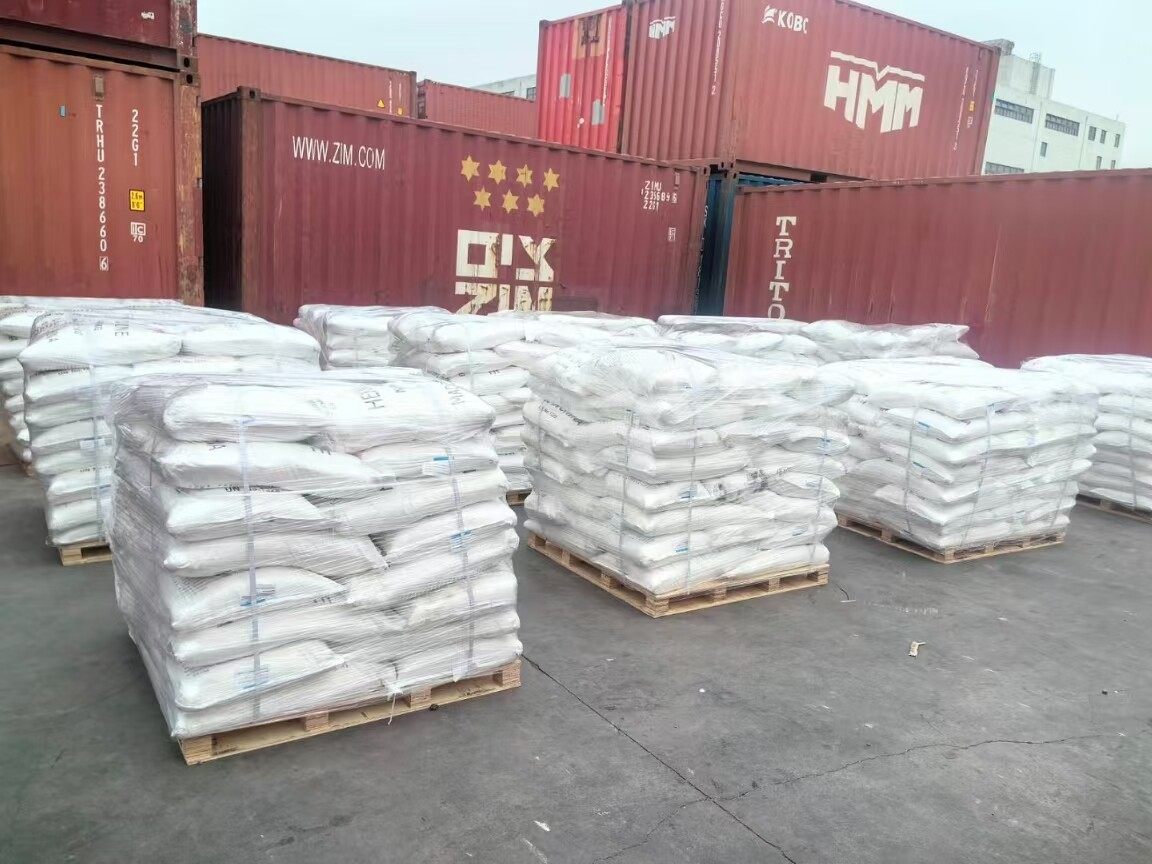
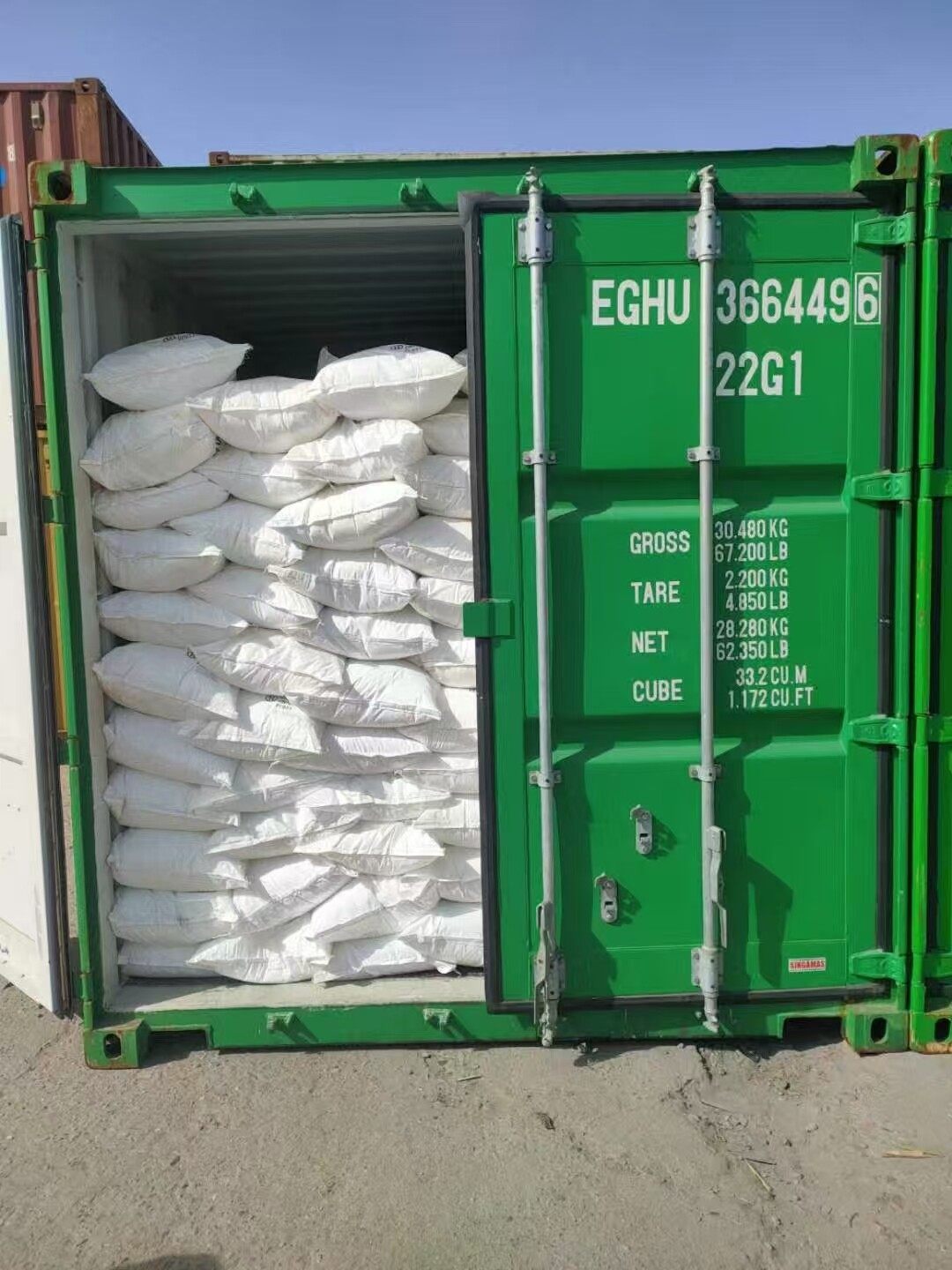
Sodium Tripolyphosphate (STPP), chemical formula Na₅P₃O₁₀, molecular weight 367.86, CAS No. 7758-29-4. It is an amorphous, water-soluble linear polyphosphate, commonly known as "pentasodium" due to its five sodium atoms. Appearance: white powder or granules, readily soluble in water, with a 1% aqueous solution pH of approximately 9.7 (weakly alkaline).
The anhydrous form exists in two crystalline phases: high-temperature (Type I) and low-temperature (Type II). Both have identical chemical properties but differ in thermal stability, solubility, and hygroscopicity. Type I dissolves rapidly but is highly hygroscopic and prone to caking; Type II absorbs moisture more slowly and resists caking.
II. Key Functional Properties
1. Metal Ion Chelation
STPP exhibits excellent chelating ability toward hardness-inducing metal ions such as calcium, magnesium, and iron, effectively softening hard water. Every 100 g of STPP can chelate approximately 19.5 g of calcium ions, preventing them from forming insoluble salts with surfactants.
2. Dispersion and Emulsification
It swells and solubilizes proteins, emulsifies fats and oils, and disperses solid particulates, effectively removing various types of soil.
3. pH Buffering
It provides strong alkaline buffering capacity, maintaining wash solutions at approximately pH 9.4, which facilitates the removal of acidic soils.
4. Anti-Caking Effect
Upon absorbing moisture, it forms a hexahydrate with a dry, free-flowing characteristic, preventing powdered detergents from caking due to humidity.
III. Major Applications
1. Detergent Industry (Primary Use)
STPP is an essential and superior builder in synthetic detergents, typically comprising 10%–50% of detergent formulations. It is used in laundry powders, dishwashing detergents, and other cleaning products to enhance detergency.
2. Food Industry
As a food additive (E451), it functions as a moisture retainer, quality improver, pH regulator, and metal chelator. Key applications include:
Meat products (ham, sausages): water retention, tenderization, reduced cooking loss
Seafood: moisture retention, prevention of freeze denaturation
Canned goods: softening bean skins, maintaining product integrity
Dairy products and beverages: stabilizer, emulsifier
According to China GB2760 standards: maximum usage of 5.0 g/kg in meat and dairy products; 1.0 g/kg in canned goods and beverages.
3. Industrial Water Treatment
Used as a water softener and scale inhibitor, effectively removing mineral precipitates and preventing scaling in pipes and equipment.
4. Other Industrial Applications
Leather pretanning agent, dyeing auxiliary, drilling mud dispersant, papermaking anti-soil agent, paint dispersant, etc.
IV. Industry Development Trends
STPP is the most widely consumed industrial phosphate in China. In 2021, the national production capacity reached approximately 750,000 tons, with an output of about 380,000 tons. Notable trends include:
Environmental Policy Impact: Phosphorus-containing detergents contribute to water eutrophication. With the introduction of phosphorus-restriction policies, STPP usage in detergents has gradually declined, partially replaced by layered sodium silicate, zeolites, and other alternatives.
Growing Food-Grade Demand: The export share of food-grade STPP increased from 16.3% in 2015 to 42.1% in 2021, with major export destinations including Brazil, Thailand, and Mexico.


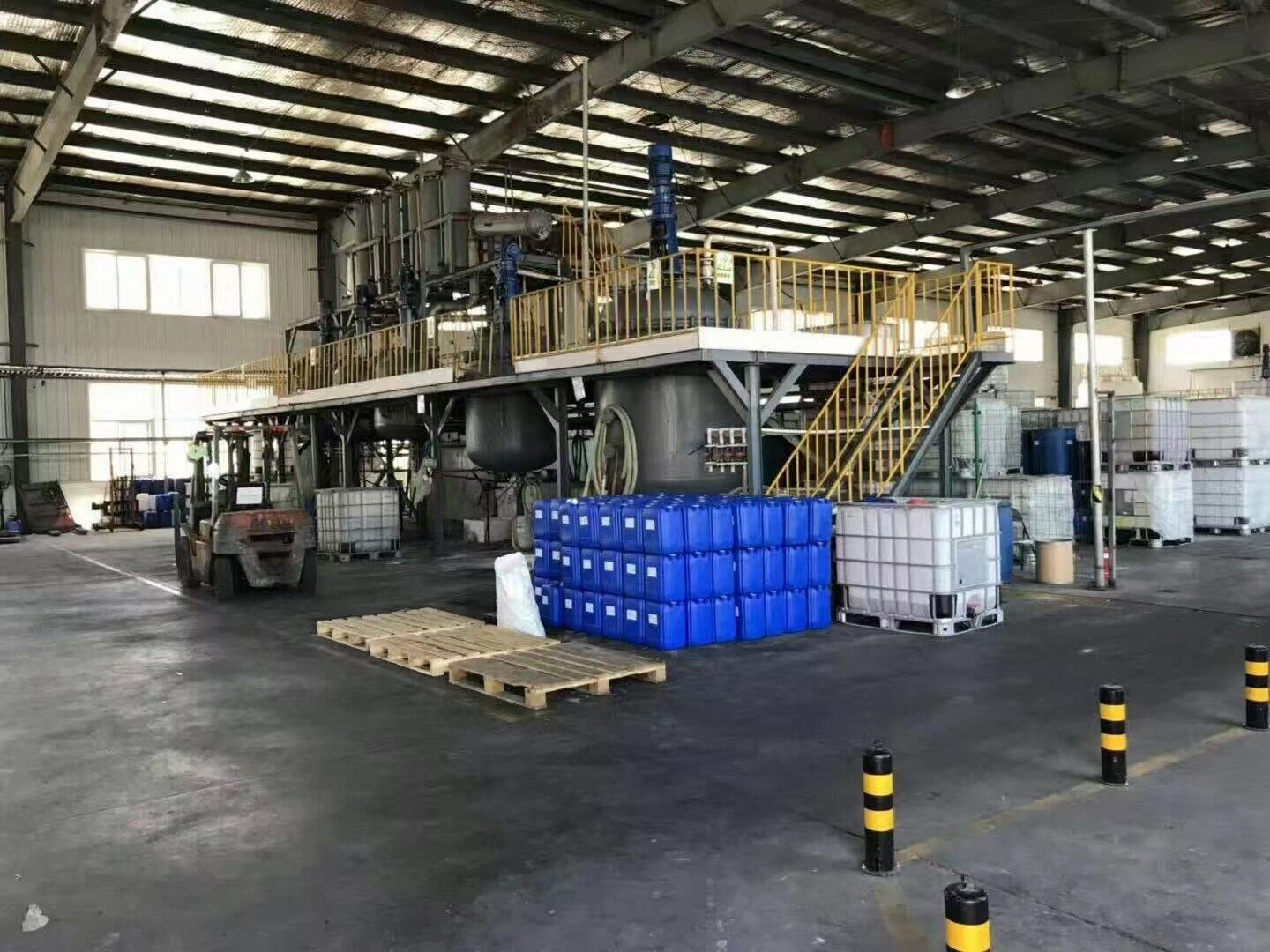
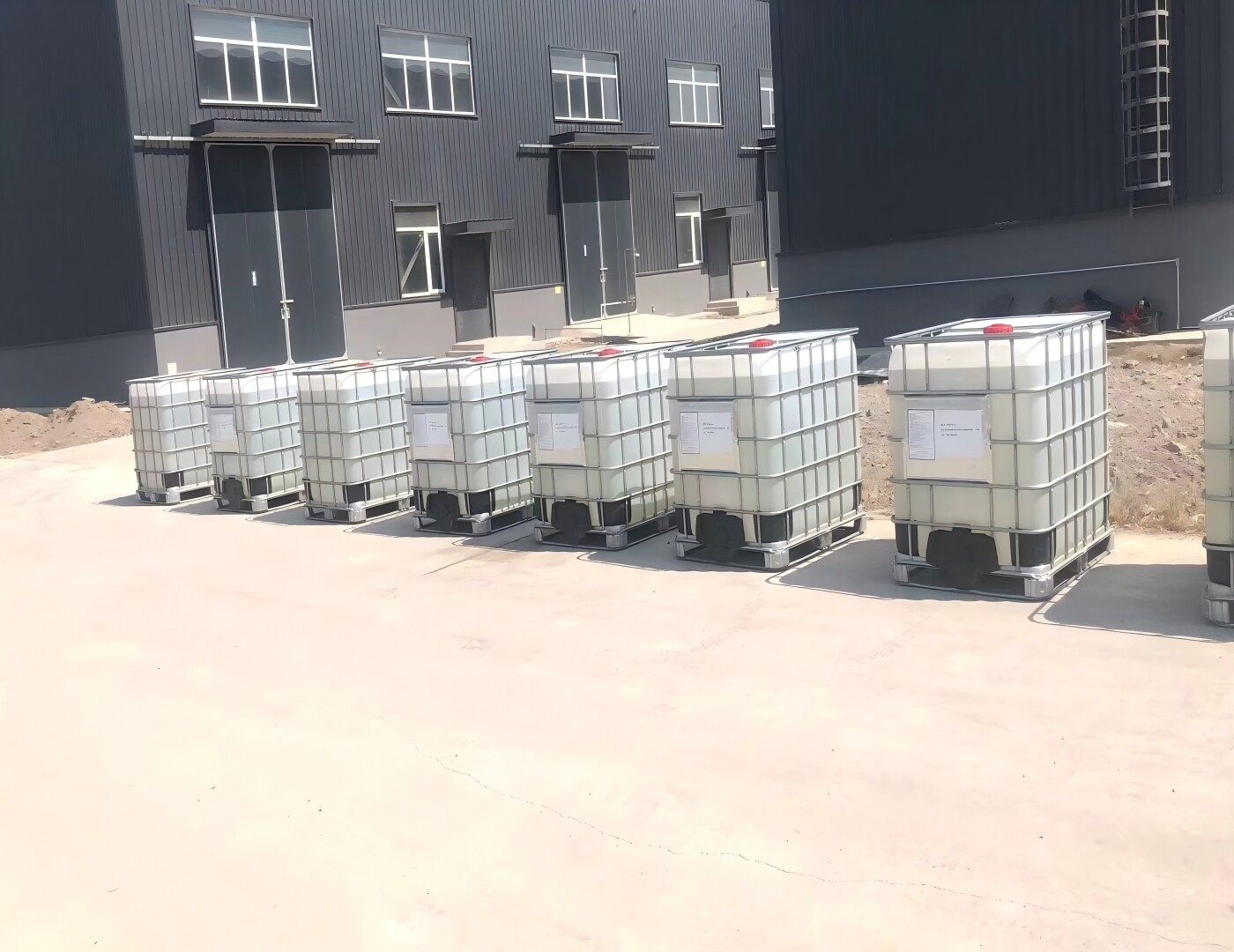
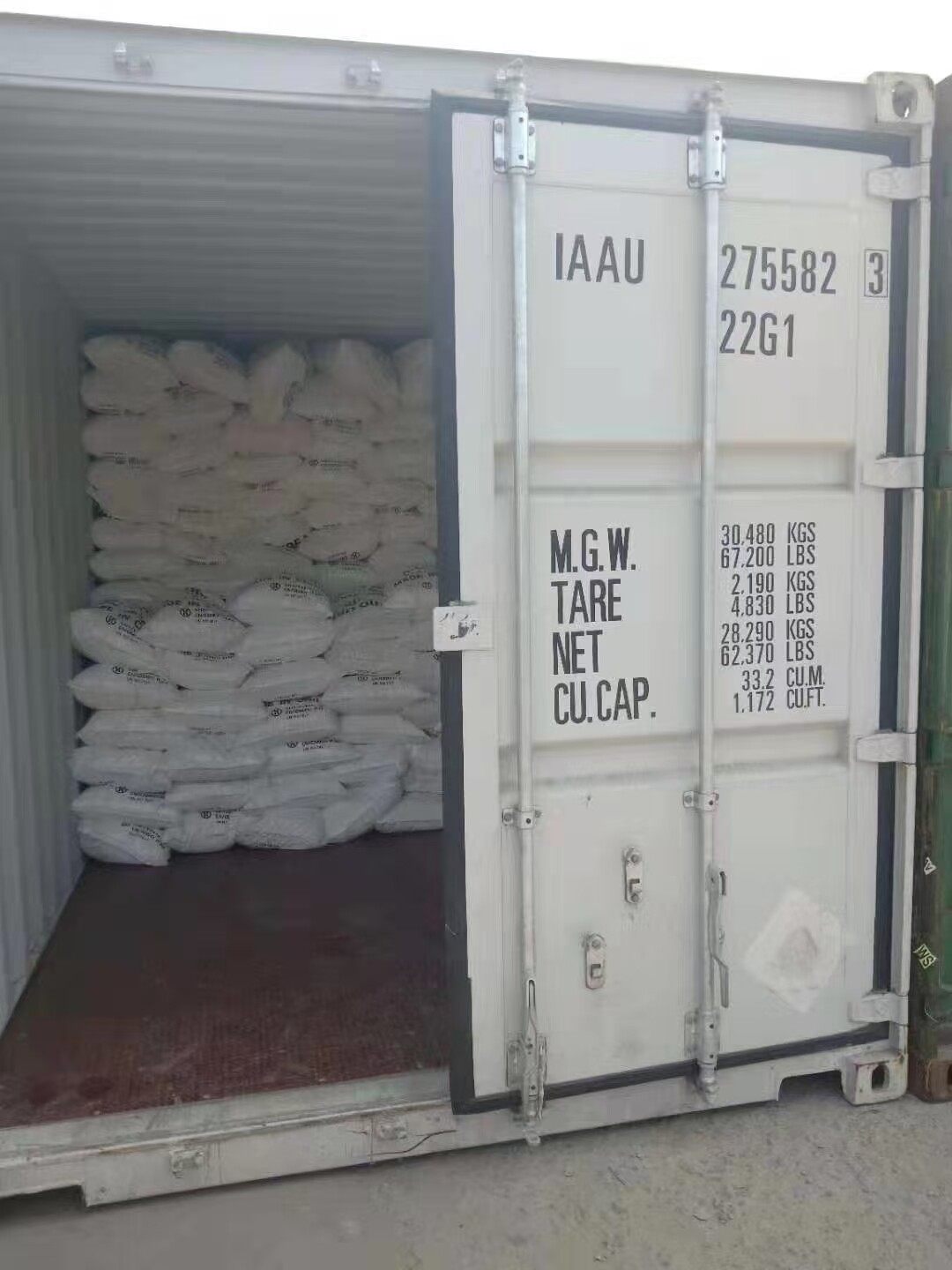
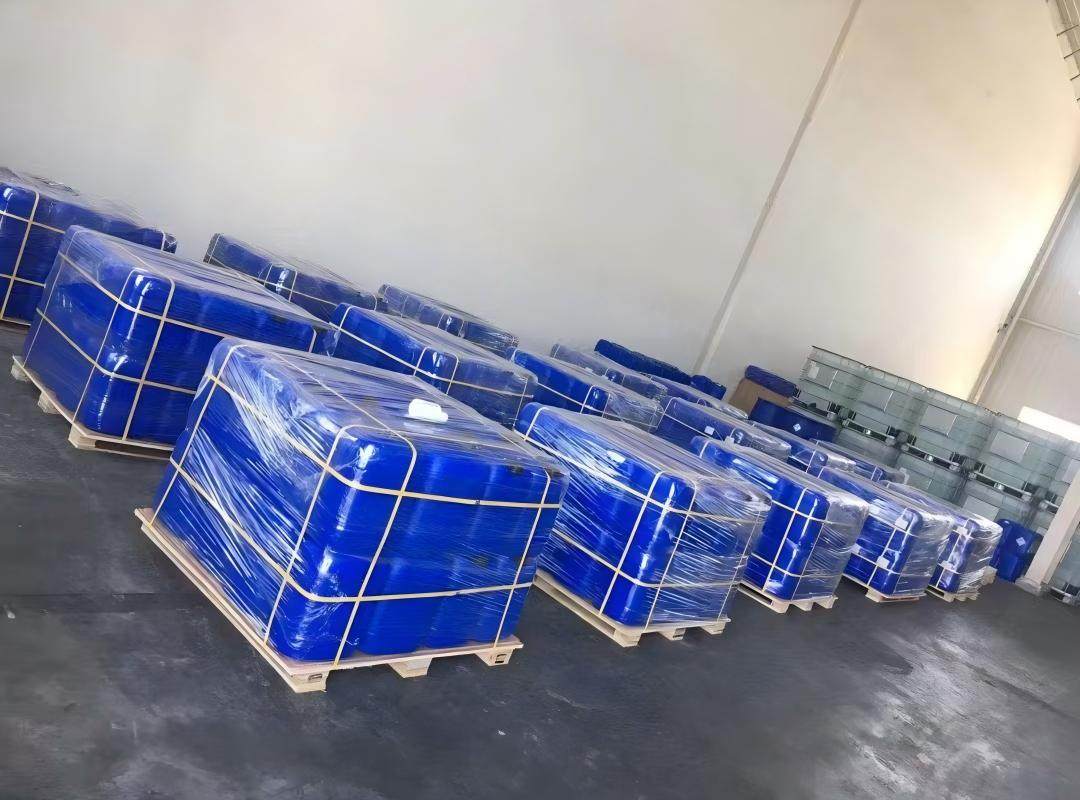
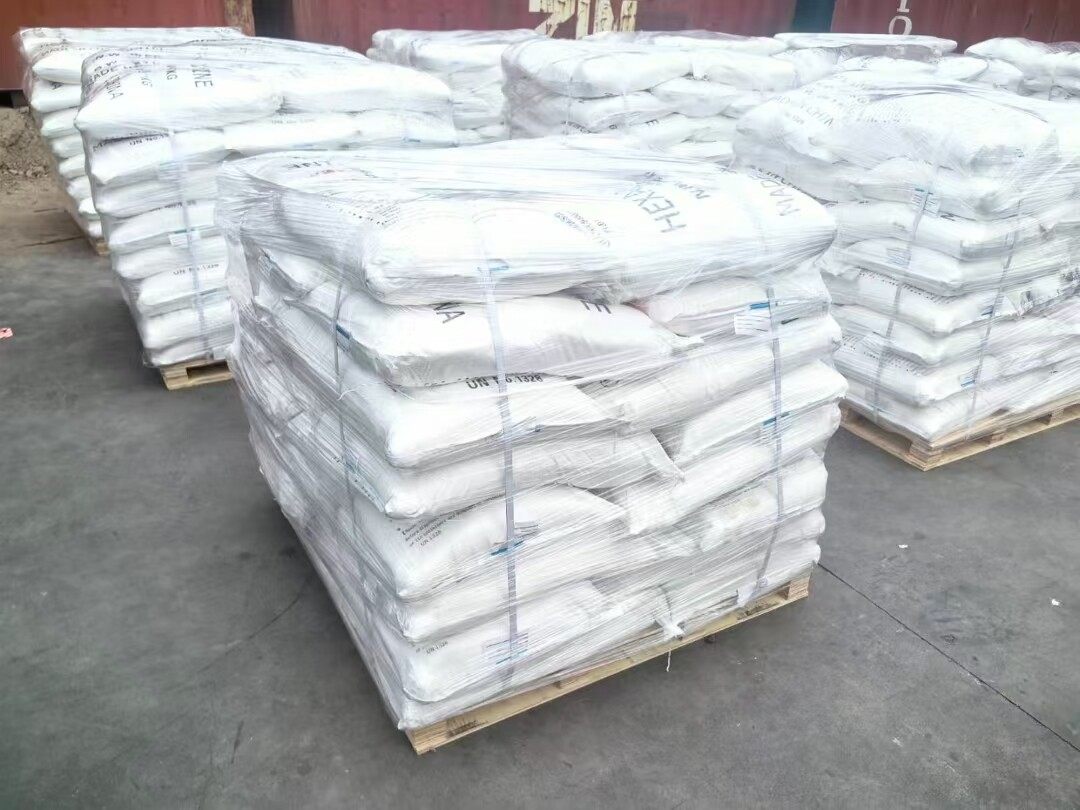
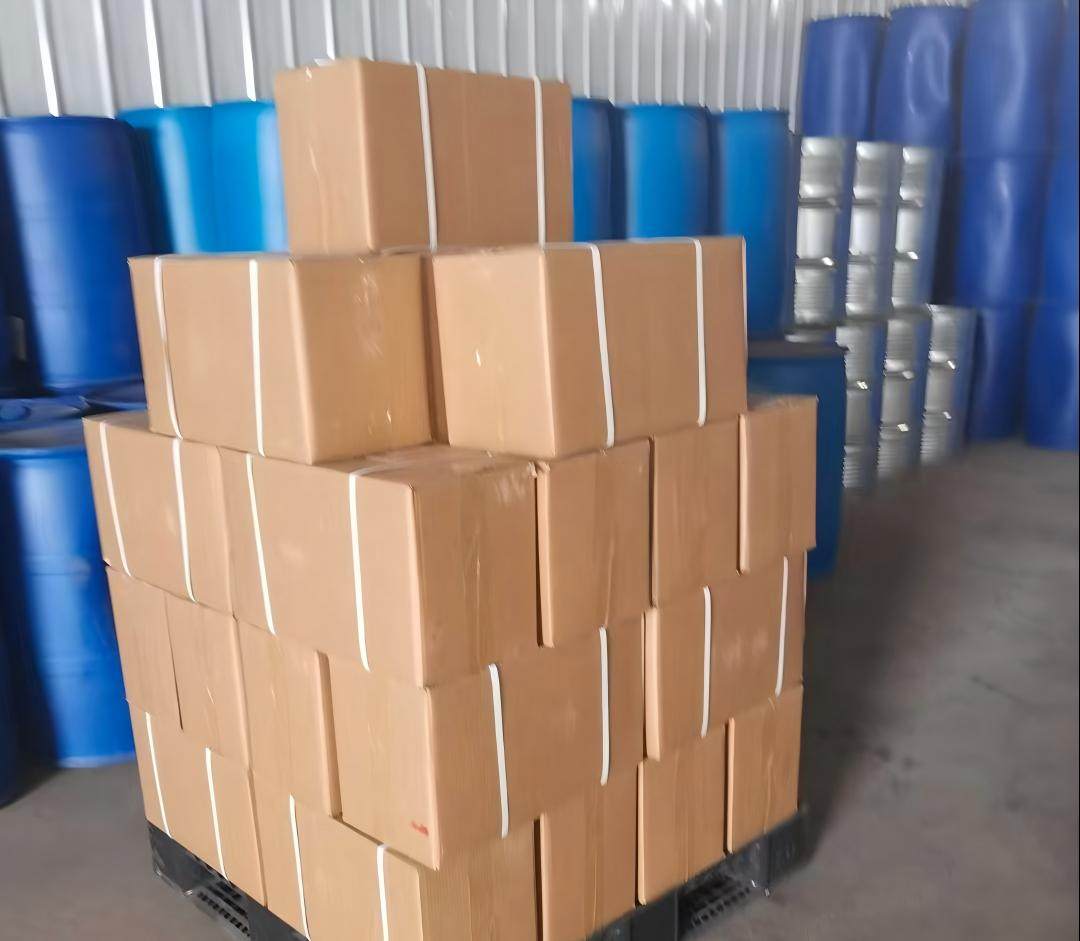
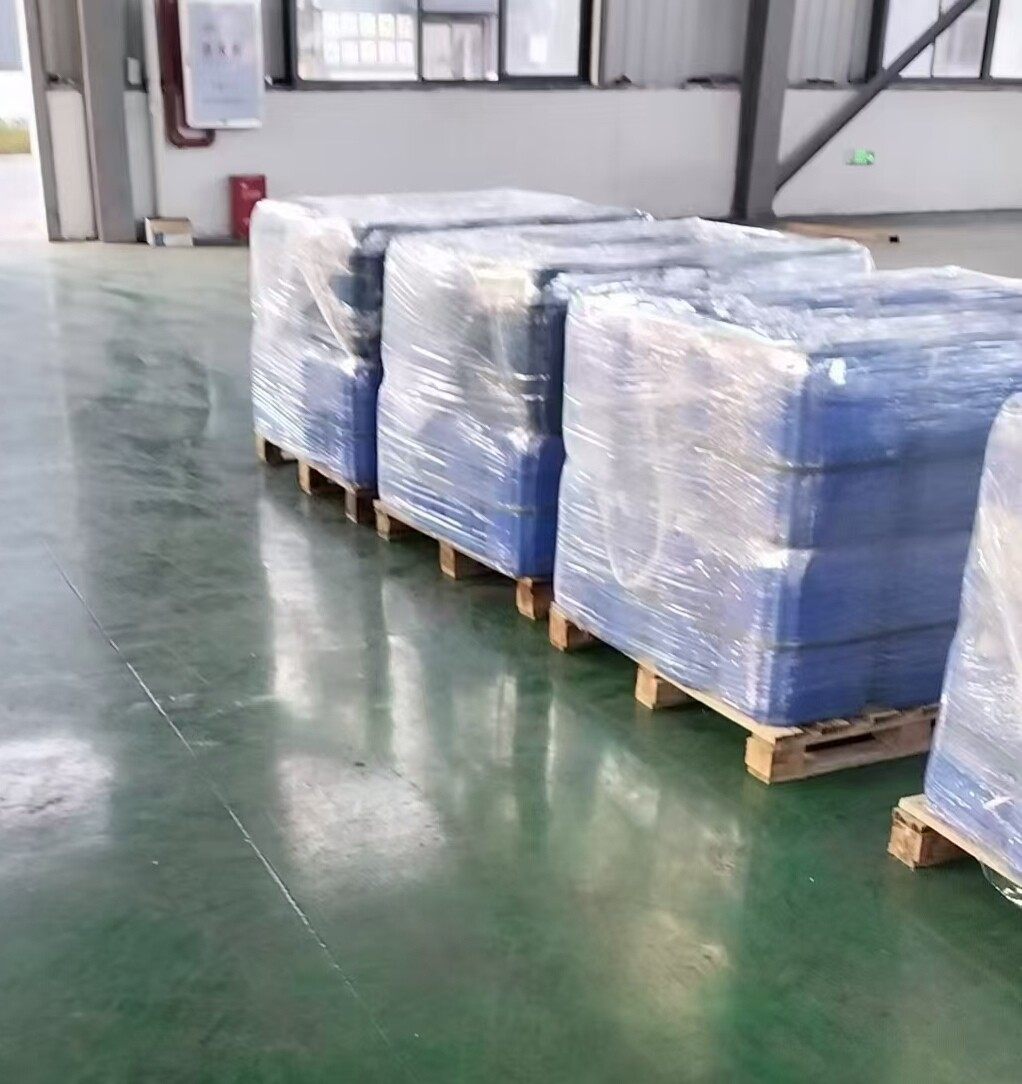
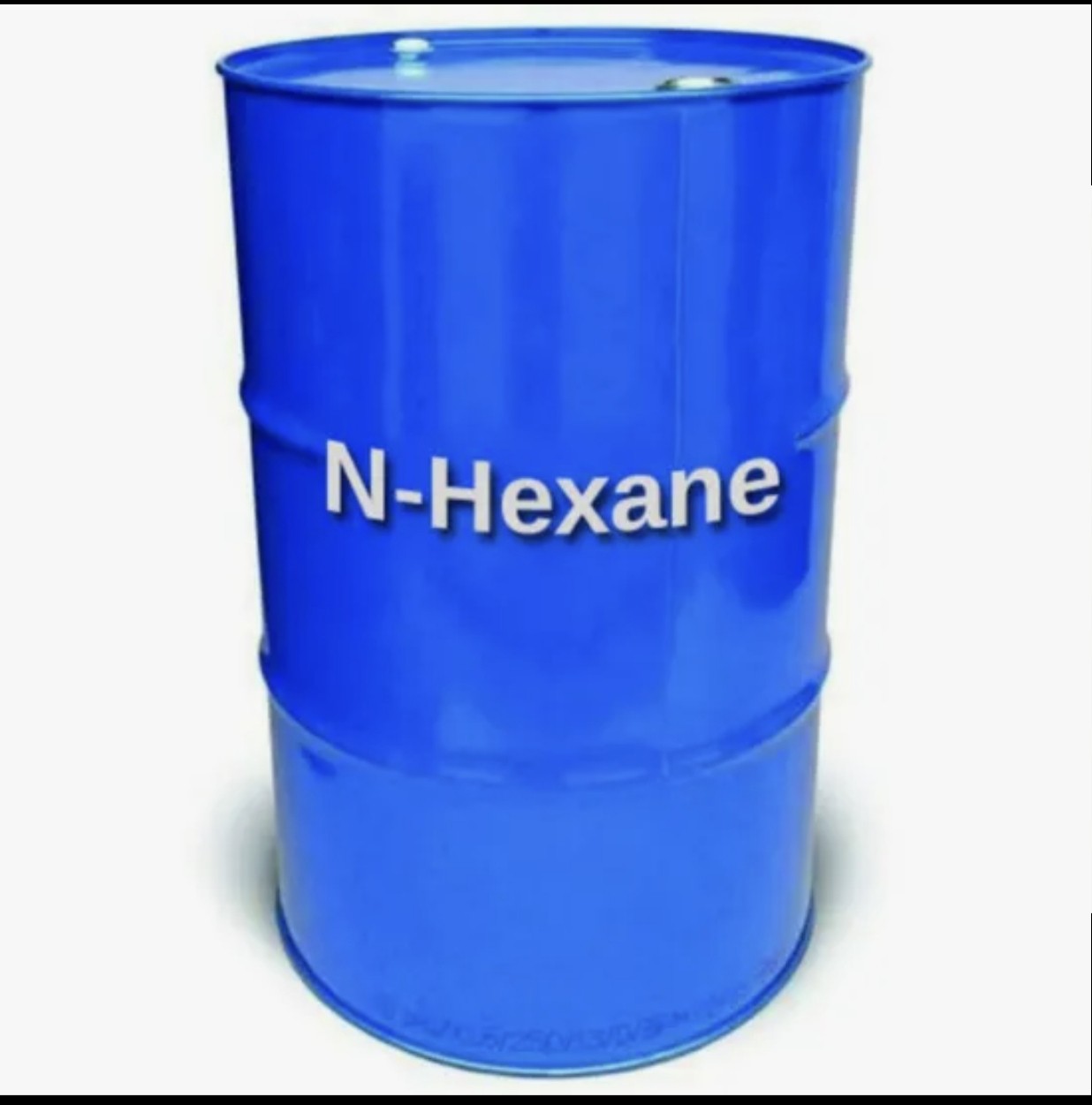
 n-Hexanen-Hexane is a colorless, volatile and highly flammable aliphatic hydrocarbon solvent with excellent dissolving ability and fast evaporation rate. It is widely used in industrial extraction, adhesives, coatings, rubber processing, cleaning agents and chemical synthesis.
Product Name: n-Hexane
CAS No.: 110-54-3
Molecular Formula: C₆H₁₄
Molecular Weight: 86.18 g/mol
Product Grade: Industrial Grade
Appearance: Colorless transparent liquid with a slight characteristic odor
Packaging: 132kg/drumJul 31, 2026") Sodium Tripolyphosphate (STPP)Jul 10, 2026
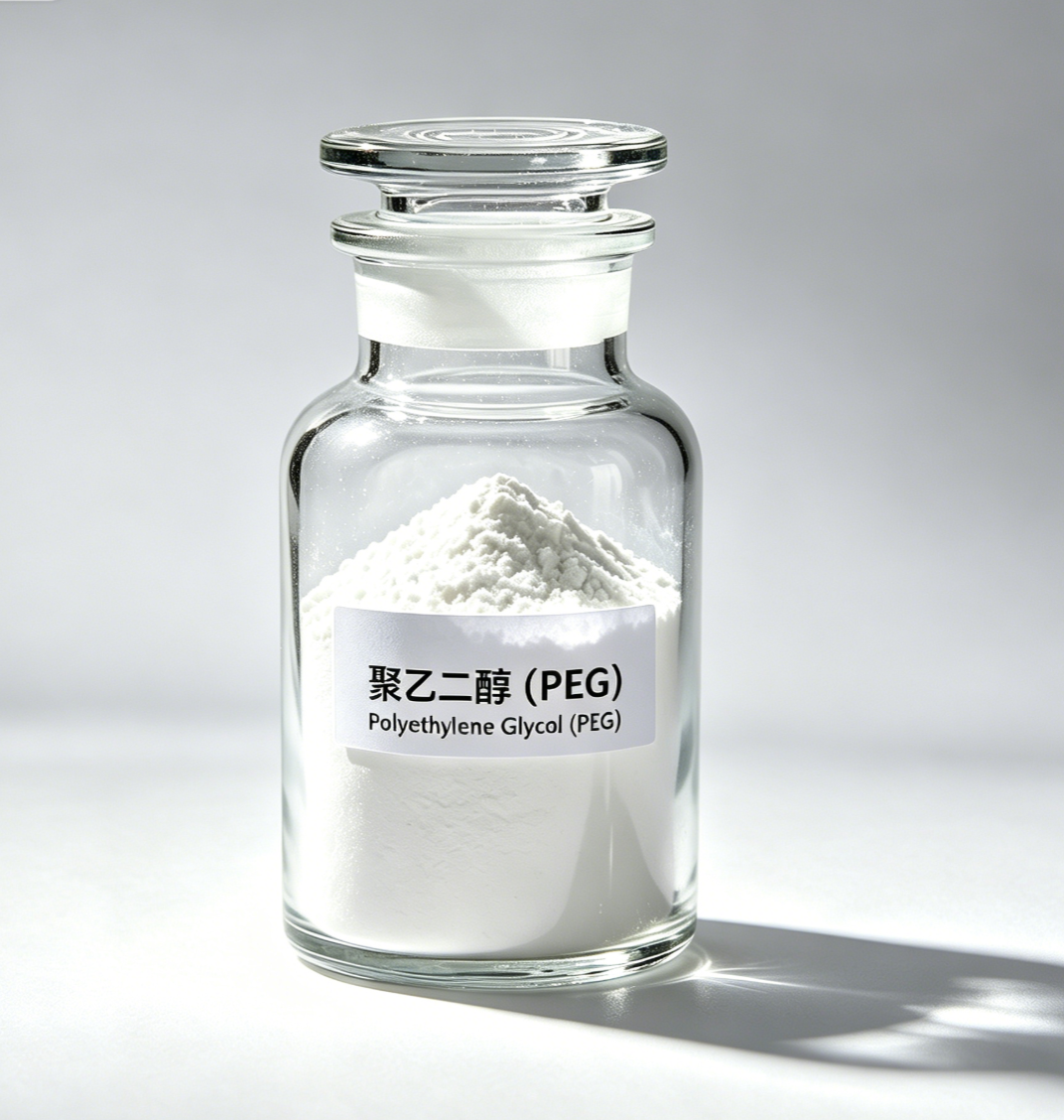
Sodium Tripolyphosphate (STPP)Jul 10, 2026") Polyethylene Glycol(PEG)Medical-grade polyethylene glycol (PEG) with ultra-low PDI near 1, purity up to 99.5%. Ideal for protein drug PEGylation modification, aesthetic regenerative filler raw material, FDA-approved biocompatible synthetic polymer for pharmaceutical & cosmetic applications.Jun 16, 2026
Polyethylene Glycol(PEG)Medical-grade polyethylene glycol (PEG) with ultra-low PDI near 1, purity up to 99.5%. Ideal for protein drug PEGylation modification, aesthetic regenerative filler raw material, FDA-approved biocompatible synthetic polymer for pharmaceutical & cosmetic applications.Jun 16, 2026") Tetrahydrofuran (THF)Tetrahydrofuran (THF) is a high-purity, versatile polar organic solvent, commonly known as a "universal solvent". It features strong solubility, stable chemical properties and excellent compatibility with water and various organic solvents. Widely adopted in resin synthesis, coating, ink, adhesive, pharmaceutical and electronic cleaning industries, it is one of the essential fine chemical raw materials in modern industrial production.
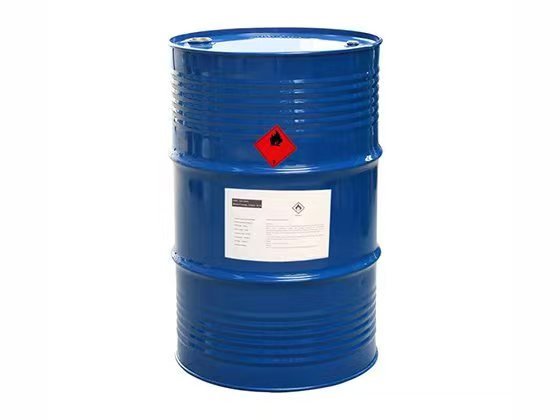
Tetrahydrofuran (THF)Tetrahydrofuran (THF) is a high-purity, versatile polar organic solvent, commonly known as a "universal solvent". It features strong solubility, stable chemical properties and excellent compatibility with water and various organic solvents. Widely adopted in resin synthesis, coating, ink, adhesive, pharmaceutical and electronic cleaning industries, it is one of the essential fine chemical raw materials in modern industrial production.
Product Name: Tetrahydrofuran
Abbreviation: THF
CAS No.: 109-99-9
Molecular Formula: C₄H₈O
Product Grade: Industrial Premium Grade
Appearance: Colorless transparent liquid with a mild, characteristic ether odorMay 15, 2026
Contact us !
Please give us a message